Behind Skaka
Hear from the developer of our Shaker Percussion plug-in
When it comes to tools for top loops and shakers in a production there are two key elements we find most important; a fast workflow and flexibility. Below is a conversation with Johan Sundhage, the father of Klevgrands shaker plug-in Skaka, and his view on how it tackles these tasks.
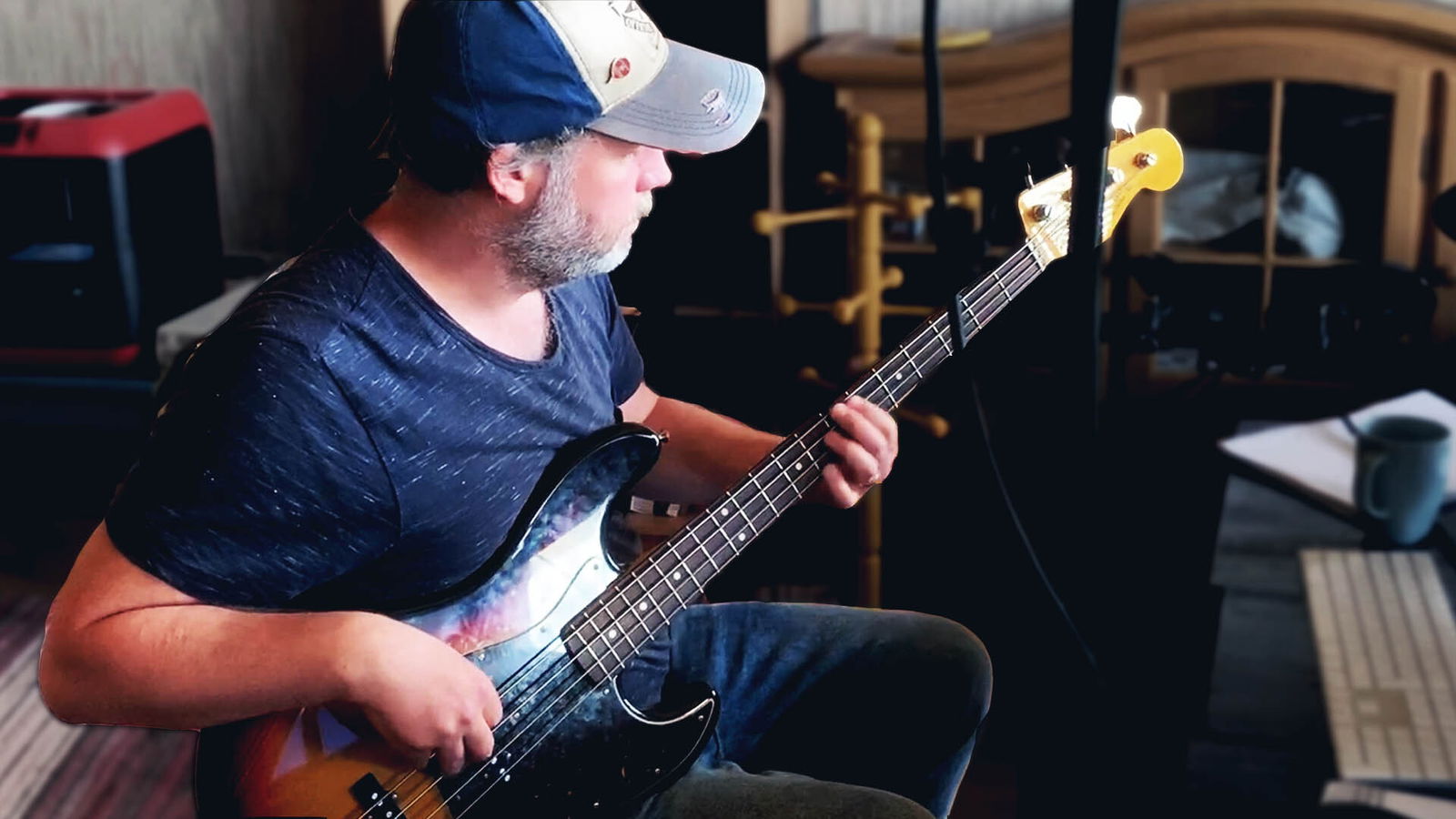
Interview with Johan Sundhage. Co-founder, musician and lead developer at Klevgrand
First of, what differs Skaka from a regular sample player?
– Unlike a "regular" sample player, Skaka also includes a sequencer adapted for the samples used. Each sound is tagged with an offset that tells when the musical accent occurs, and the sequencer takes this offset in account and adjusts accordingly during playback. This is crucial when it comes to controlling the timing of each shake, and in turn to create sequences with the right groove.
Is it really easier to use Skaka than an audio loop?
– Yes and no. Not if the loop is at the same tempo as the song and fits perfectly with the production. But it is rare to find a loop that matches 100%, and then you need to time-stretch or edit the audio data in another way. Since Skaka is based on lots of short samples, you have greater control over details without having to degenerate the basic sounds. The plug-in comes with a solid set of ready-made patterns that cover most needs, and these can be easily fine-tuned so they fit the production in a way that is simply not possible with pure audio loops.
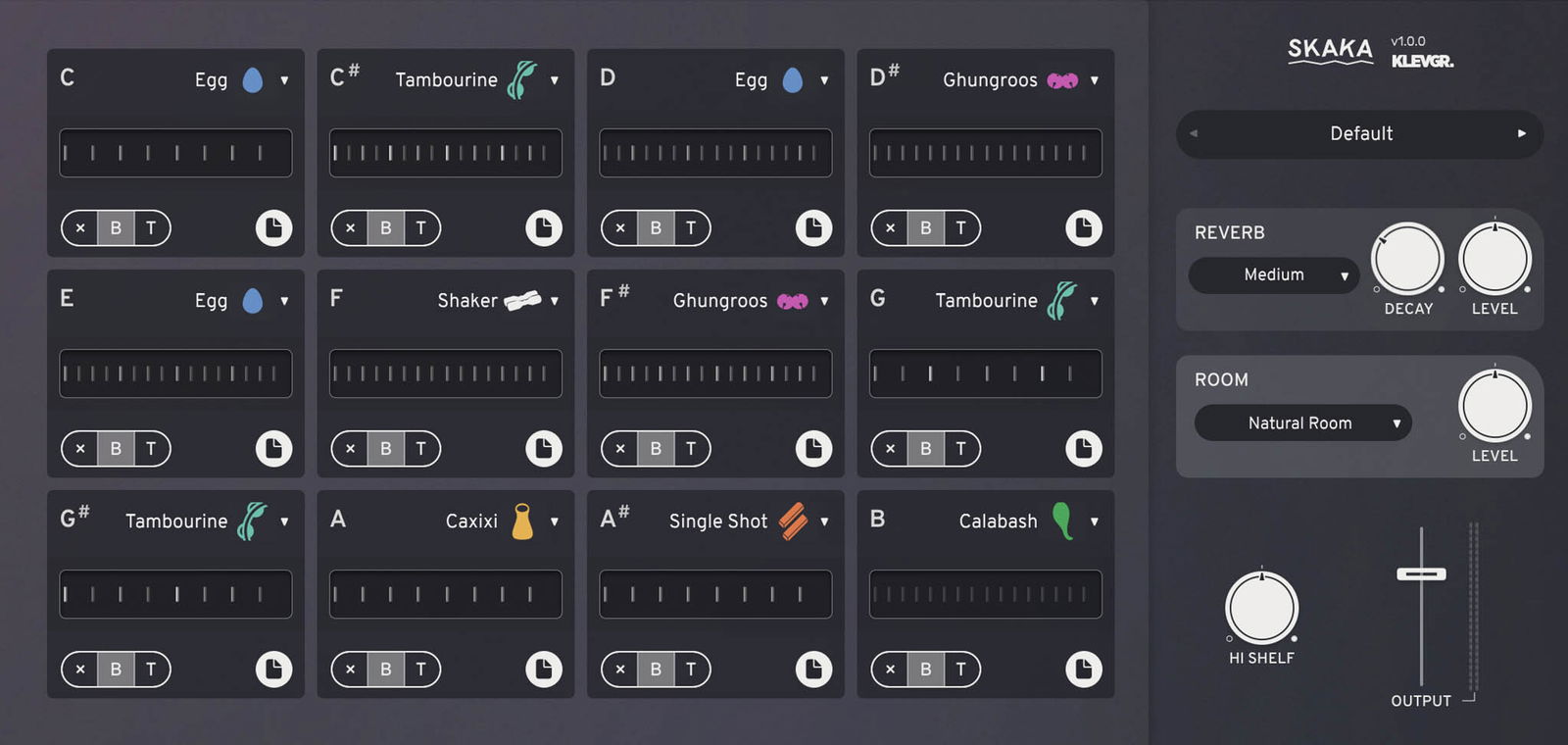 Interface of Skaka - Main View
But does is sound human?
– I think you can get very close. What makes something sound “human” is very much the small variations, and the possibilities to achieve that come by default in Skaka; partly because each velocity layer contains many different samples (for round robin), but also through the humanize function which you can set to affect both time, tone, velocity and gain. The humanize function also has a "smart" parameter that allows the velocity of the sequence to affect how much the other parameters should work. Thus, you can let a shake with a high velocity be quantized harder than a low one.
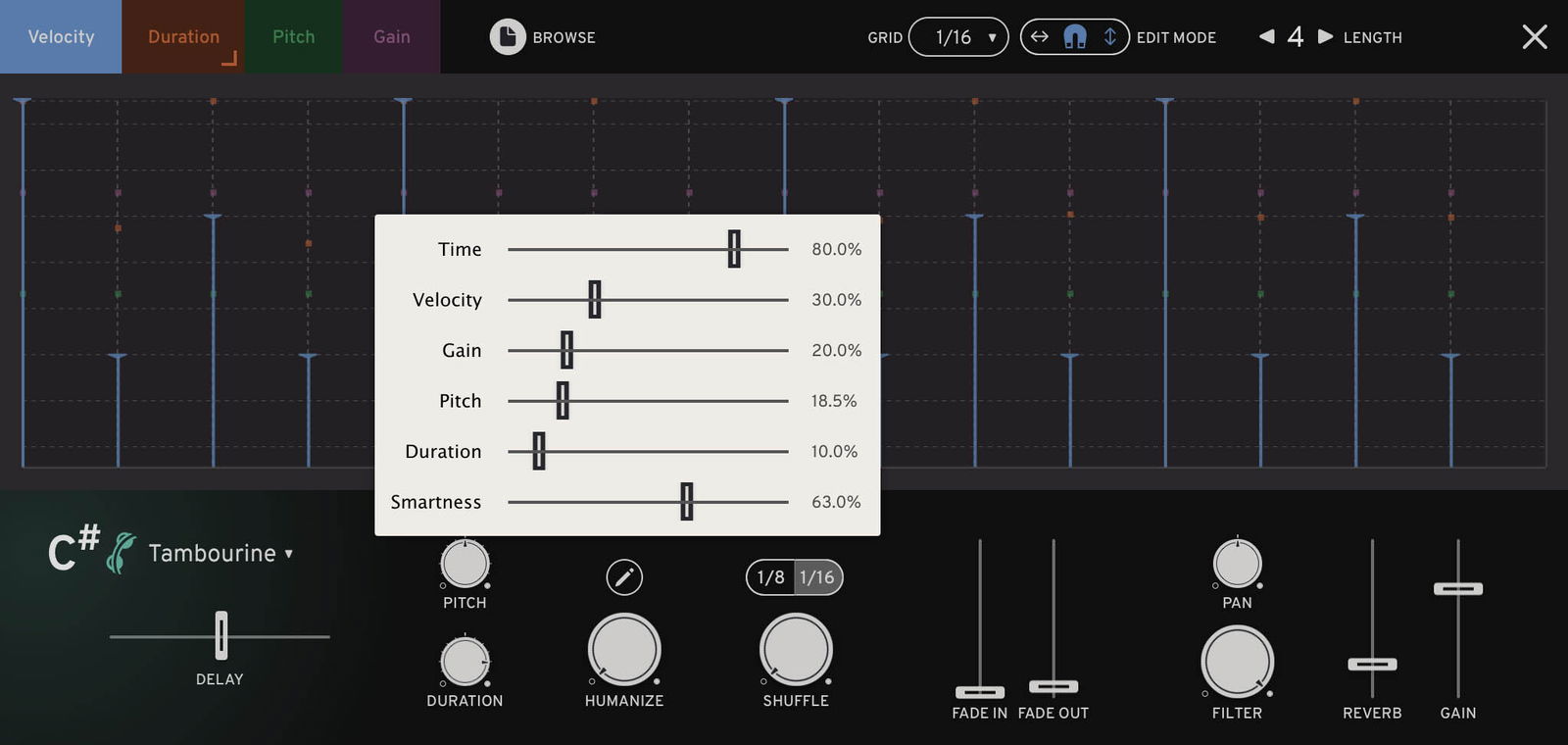 Interface of Skaka - Sequencer View
Will it sound natural?
– Tempos that are playable for each instrument sound natural. For example, it is physically impossible to shake a sack of seeds with low velocity in 16th notes at 140 bpm, and if you were to key in such a rhythm in the sequencer, it will not sound particularly natural either. Since velocity is synonymous with speed, it sounds strange if you play sound with weak velocity at a high tempo or vice versa. It is perhaps to some extent physically possible to do so with shakers, but very unusual in musical contexts.
How would you make the shakes naturally blend in?
– In my mind it's 100% about mixing. In addition to setting a good volume, the room sound is more important than you often think, it's well worth trying a few different variations of room tone. If you have other transient-rich sounds in the project, it may make sense to adjust the very highest frequencies, preferably with the high shelf filter that’s build in the plug-in, to make it match. Otherwise I would handle the output sound just as if I had recorded a percussionist for real.