What is that noise?!
Can we shut down the vent system for the whole building please?
You know the feeling when you just have recorded the best take ever for your new creation and it’s time to edit, when you realise there’s a constant hiss in the background interfering with the performance. It happens to us all, whether you’re working with music, film, podcasts or radio, unwanted noise is a problem that pops up now and then. With the improvement of sound quality over the years, what was once hidden behind tape hiss can now be audible and bothersome and we need noise reduction to tackle it.
Unwanted noise finds its way
Few people have perfect conditions to record in. Your recording can be affected by noise from laptop fans, camera whines, air conditioning etc. But even those with superior/top-tier studios can come across noisy amps, tape whistle, hiss, buzz and hum. But as most of you know there are ways you can reduce the noise. There are different techniques and technology available specifically for this.
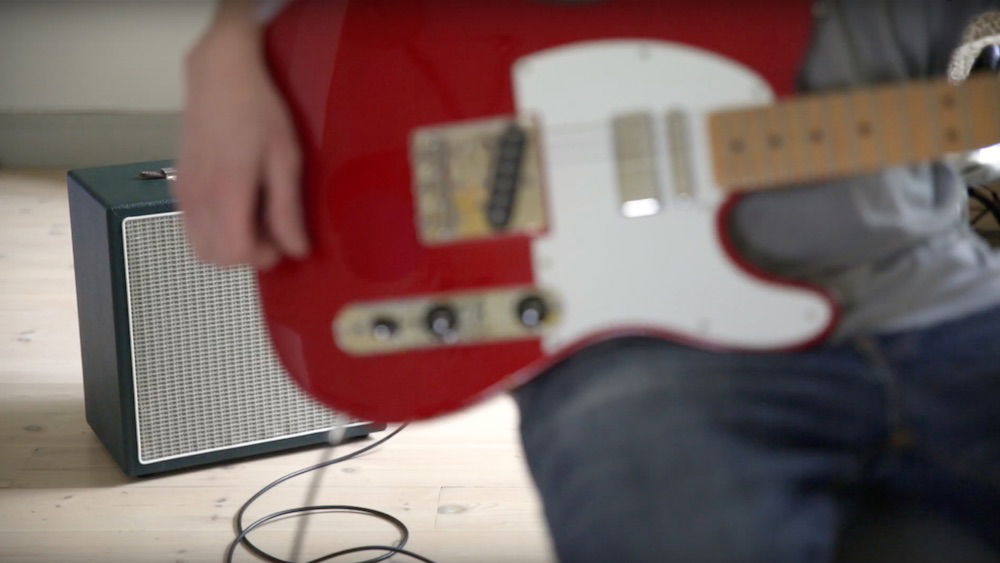
Reduce noise on several different sources (guitar amp, voice memo, synth and electric organ).
Different tools to your rescue
One technique for noise reduction is phase cancelation. Theoretically, you can cancel out noise by combining two identical signals with one signals phase flipped in polarity. Thou this is very tricky since the two signals must be completely identical to cancel each other out. Since this is hard to accomplish you would likely end up with a weird and possibly phasy sound and only a little bit of noise reduction. Other methods are to select the right mic and placing it properly, as well as setting the gain levels correctly before recording. But if you’ve ended up with a great take on your recording, there’s nothing you can do about mic placement afterwards. So instead you can use noise reducing technology. There are a few developers on the market, including iZotope, Adobe and ourselves with our plugin Brusfri, all tackling this problem from different angles.
What should a noise reduction tool do
So what’s important to expect from noise reducing technology? When we developed Brusfri we found (beside removing noise of course), it’s significant that the noise reduction doesn’t affect the original quality of the sound. At the same time it’s important that the plugin has low latency and is CPU friendly. If you need to use it on several tracks it shouldn’t lag your computer or delay the sound so you get phase or sync problems. Efficiency and non-destructive editing is also practical, so that you can get a quick result when you feel the creative energy flowing and you’re able to edit your track however you want.
Getting rid of noisy ventilation on a vocal recording.
Conclusion
Even though clean recordings are great, remember, not all noise is bad. The right noise in the right context can add to the overall feeling of the soundscape. You’re the one in charge and it’s up to you to decide when or how much noise you want to keep or reduce.
Written by Tove Gustafsson (masters degree in music production, Working at Klevgränd since 2018.)
Read more about Brusfri