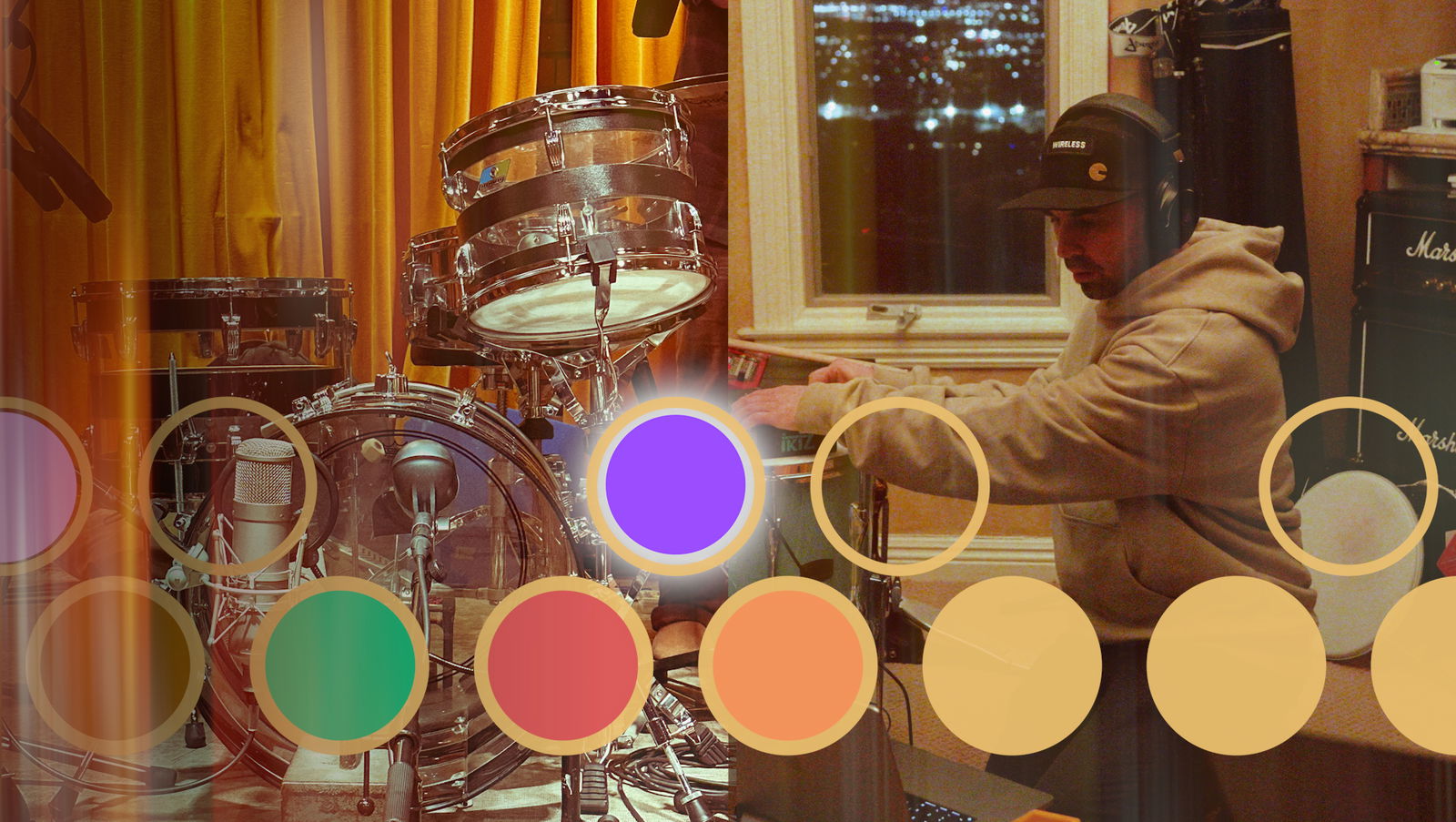
Behind the scenes of OneShot
An interview with Ikiz about the drums in OneShot
It's an exciting time for us at Klevgrand as we start to hear the first beats, tracks, and even albums created with OneShot. It feels like the perfect moment to take a step back and reflect on how this whole thing came to be.
Our drum plug-in, OneShot, has officially moved out of our office and into the world.
This has been a process that stands out somewhat from our previous creations, mainly due to the recording process of all the samples that comes pre-packaged with OneShot. Somewhere during the coding of "the big drum plug" as we then called it, we reached a point where the technology we had created enabled us to reproduce a large number of samples in a very natural way. This would be perfect to capture the very fine details and nuances of acoustic drums.
Enter our good friend, master drummer Ikiz, who just happens to own a treasure trove of rare acoustic drum kits. It was a no-brainer – we had to blend our new technology with Ikiz's touch and beautiful sounding kits. So, off to the iconic Ingrid studio in Stockholm we went, and over a few days, we embraced our shared obsession with acoustic drums and meticulously recorded them, sample by sample.
Ikiz and I sat down for a fika to reflect on the days we spent at Ingrid studios and the instrument that came to be OneShot …
What is the first thing you remember from the OneShot project?
When the idea of OneShot came up, I suggested recording drums at my place to avoid the hassle of carrying equipment. You visited, loved the kits, but recognized the need for a studio with your prior experience. So, we decided to book Ingrid's studio, so then it was just to follow that and go to the gym and strengthen the back, haha. There was going to be a lot of carrying, and it's documented too.
Do you remember the thought process behind the drum-kit selection?
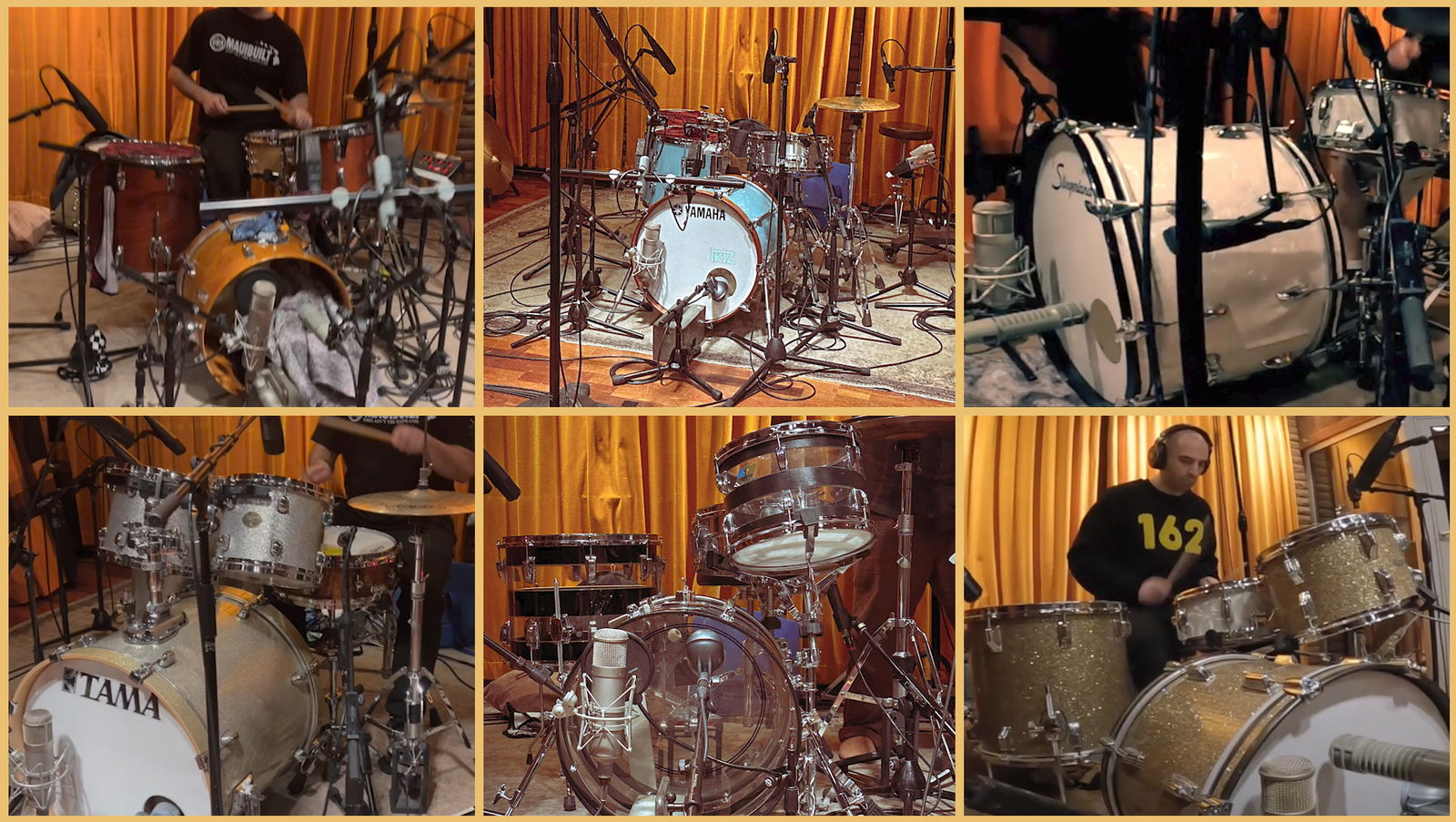
Yes, I got a list from you beforehand that you wanted kits from the 60s, 70s, and Modern kits. This list also clearly stated which sounds were to be covered, everything from vintage sounds, clunky items, dry items, singing items.
Some of the kits we chose, I really hadn't played in a long time. So before the recording week, I made sure to change the skins and tune it, and fix them up. Yeah, and it was fun also that the drums got to move from the shelf and actually travel a few kilometers to be played on. I think the kits will thank me for it.
What defines a good drum sound for you? And what goes through your mind to capture that when recording?
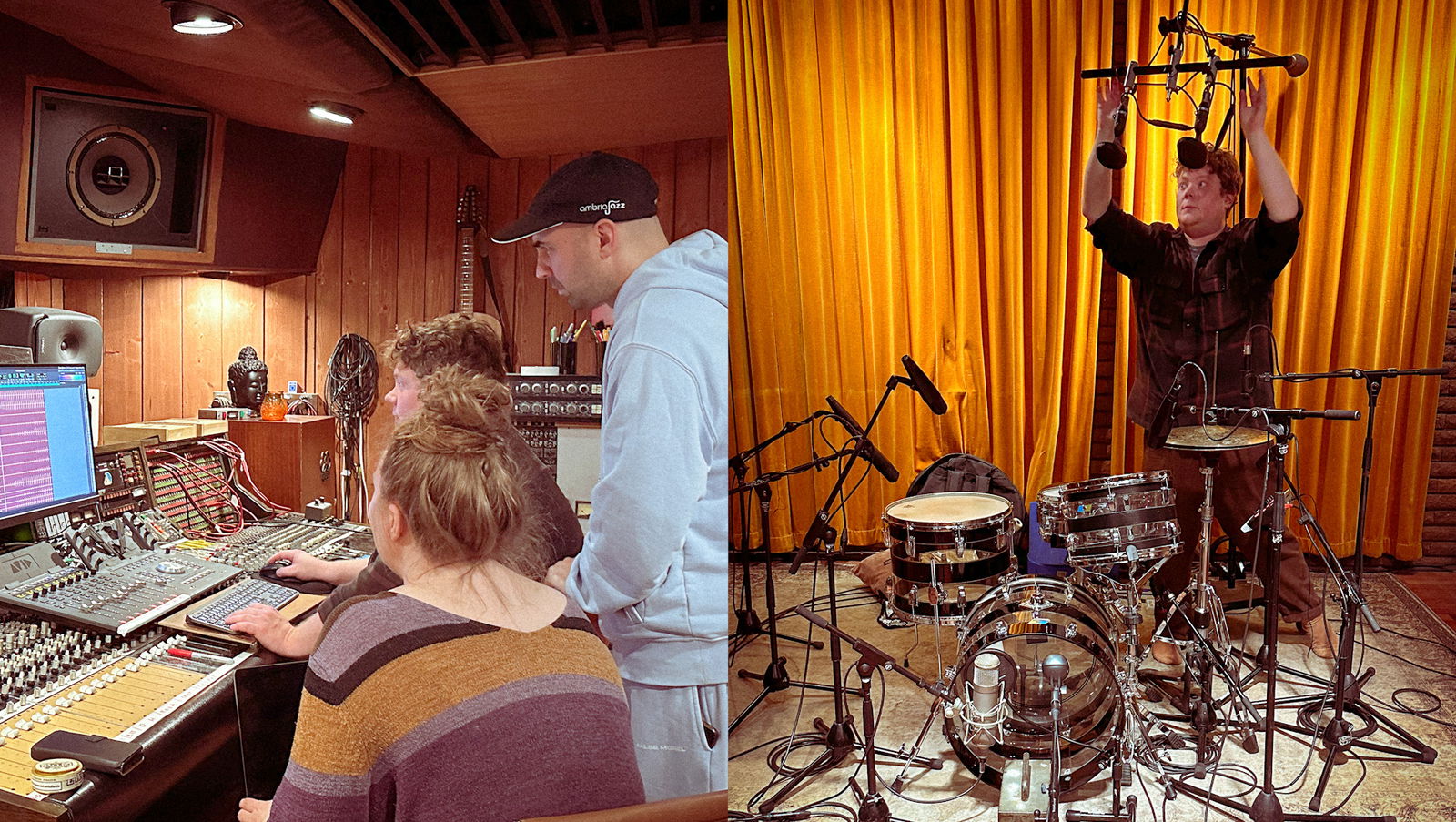
I think about the sound, including all tone and resonance, should come out in a clear and distinct way. And I always think extra about the bass drum really coming through cleanly in the low end range. The snare always comes out somehow with the frequency range it has. But the kick drum is extra important. It's the one I often have trouble with if I'm recording for something. What was nice now was that there were really good technicians there to bounce ideas off and take care of everything like miking and drum placement, and to make sure we captured every nuance of the drums.
Okay Ikiz, honestly, on a scale of 1-10, how boring was it to record the sounds?
Haha, there was actually one time I fell asleep. I think I slept for one or two seconds. I think it was day three after lunch. For those who don't know, you're just sitting there recording one drum at a time, layer after layer, hour in, hour out. Each individual drum had to have 30 individual velocities. So I’ve definitely had more creative sessions than this one, haha. But I knew it would result in a great plug-in, and the reward comes later when the product is finished. It puts a smile on your face. I had to play around a bit here and there just to keep myself sane.
“If music is going to groove then you have to use dynamics. Whatever style it is. Everything from classical music to modern dance music. ”
You mentioned that we recorded 30 velocity layers on each individual drum. Why is it important to capture so many layers?
To create a dynamic instrument. If music is going to groove then you have to use dynamics. Whatever style it is. Everything from classical music to modern dance music. If I were a teacher, then dynamics would be one of the first things I would teach.
Some might think that 30 is a pretty low number, but it's damn hard to make a bass drum sample where you have to find 30 steps between its lowest and highest intensity. So that was interesting. I remember when I hit the bass drum, the strongest, 28-29-30 there, it felt unnatural for me to play that way. What we recorded for OneShot, 30 velocity layers + round robins per drum, I almost never play. I might go up to 24-25 when I play in my natural way.
Interesting, I'll remember that when I see a sample library promising 100 velocity layers. Now that OneShot is finished and out there, in the hands of people all over the world, your kits and samples are starting to appear in music. How does that feel?
That they get spread all over the world, that's super fun. I think about it of course, and am reminded every time I see something about OneShot on social media for example, and it feels really fun. Sometimes I can actually hear a specific kit right away. So it's very exciting, and it will be super fun to see what people do with all of my drums.
I see you as a very dynamic musician, a master of traditional styles but also as someone who’s curious and interested in adopting new technology in music. What do you think virtual instruments like OneShot will mean for the modern musician today and in the future?
I hope that in the future we will still be able to see live bands that share chemistry with each other and share musicality with each other because that's what gives the most, I think, inspiration and joy and enjoyment when it comes to live performances.
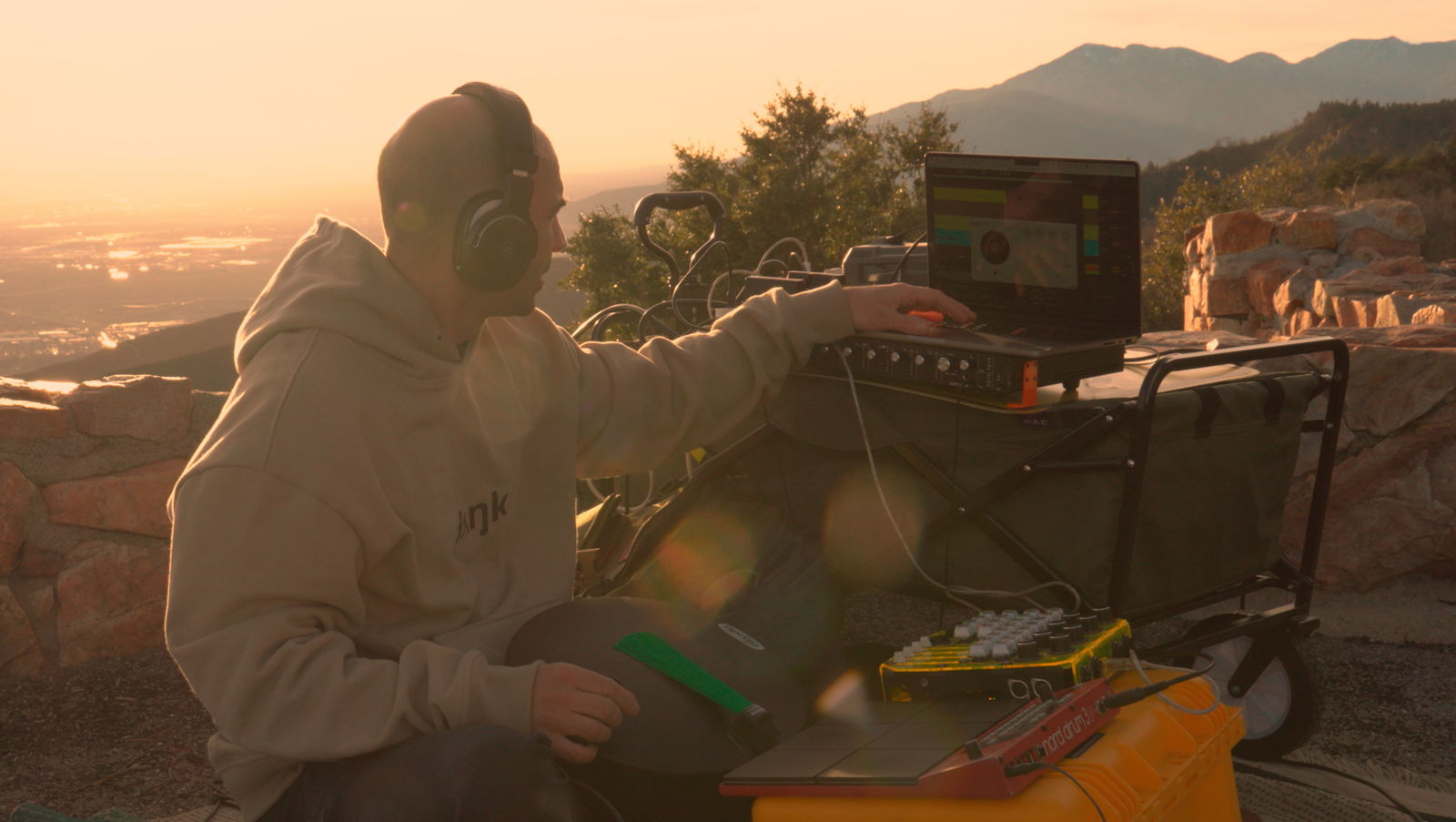
But I notice that the digital tools is taking over more and more, and the more the digital takes over, the more useful plug-ins like this becomes, for example. The positive thing about OneShot is that it sounds very natural and can also be used live.
Then producers can use naturally sounding drum sounds, which makes the production sound more natural, I think that's the present and the future.
For you, as a musician, what can we as plug-in makers do to enable more possibilities for musicians, rather than replacing them?
I think you're doing well already by being innovative and coming up with new instruments and effects that invite creativity. One thing to consider is that in future plug-ins, really think about simplifying the workflow for live performances. When it comes to how you interact with the plug-in, MIDI mapping, interface, or whatever it may be.
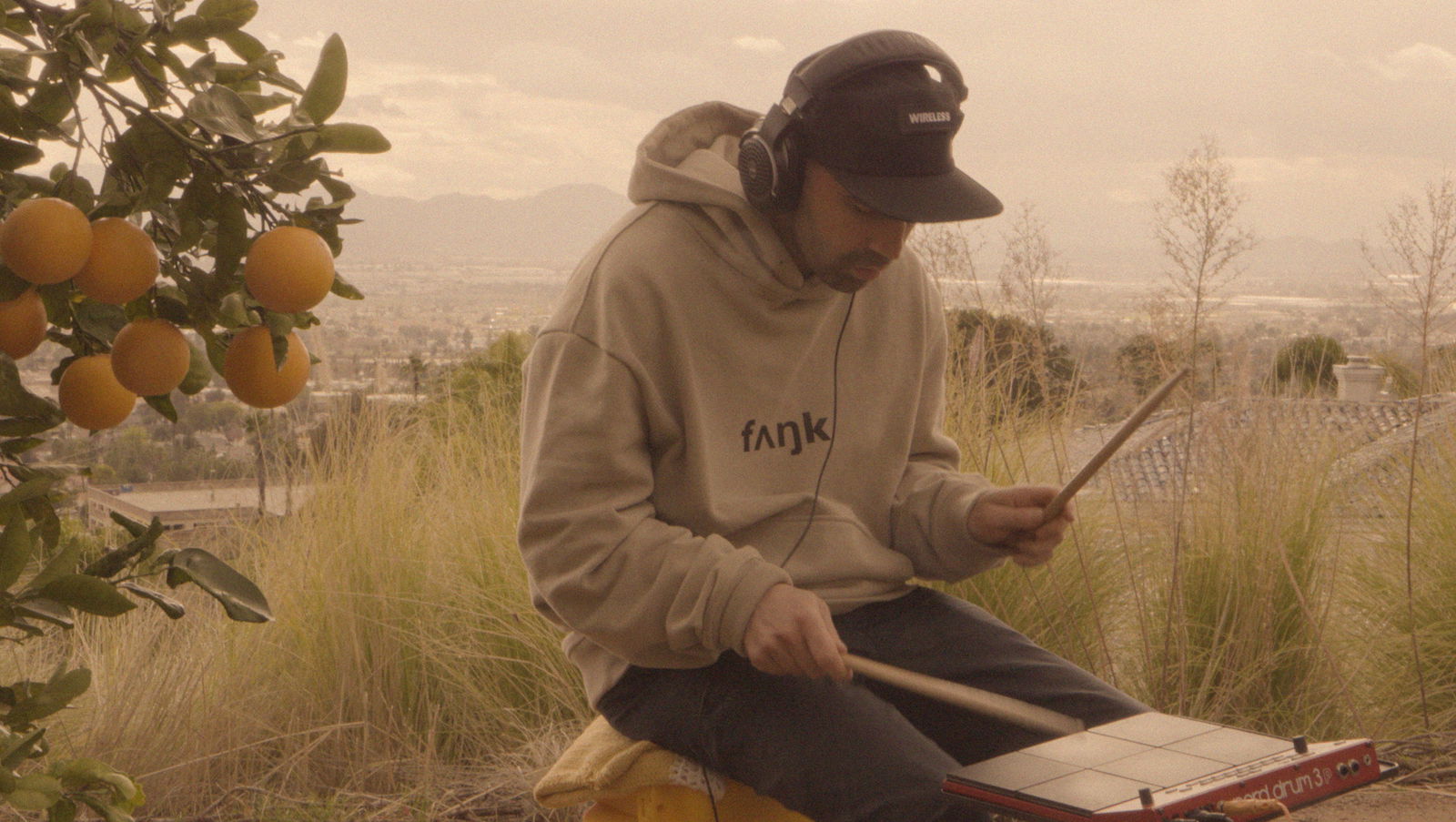
“The drums have been carried, tuned, mic'd and played, the creation of this plug-in has has undergone so much development and actual physical work.”
What stands out for you when you sum up this path we've walked together to create the sounds in OneShot?
It's the significance of sound that is important to both of us. That we both consider it equally important that we bring along a variety of kits with different types of wood. We take the plug-in seriously; we don't just bring two kits and tune them, but we actually bring in a lot of kits that sound different, and there's a lot of work behind it. If we're dealing with sound, then it's important, and we do it properly as well. So, this plug-in is truly authentic. We carry the load and do it in a truly prestigious studio, where we know everything will be top-notch.
The drums have been carried, tuned, mic'd and played, the creation of this plug-in has undergone so much development and actual physical work.
Written by Lucas Hideg
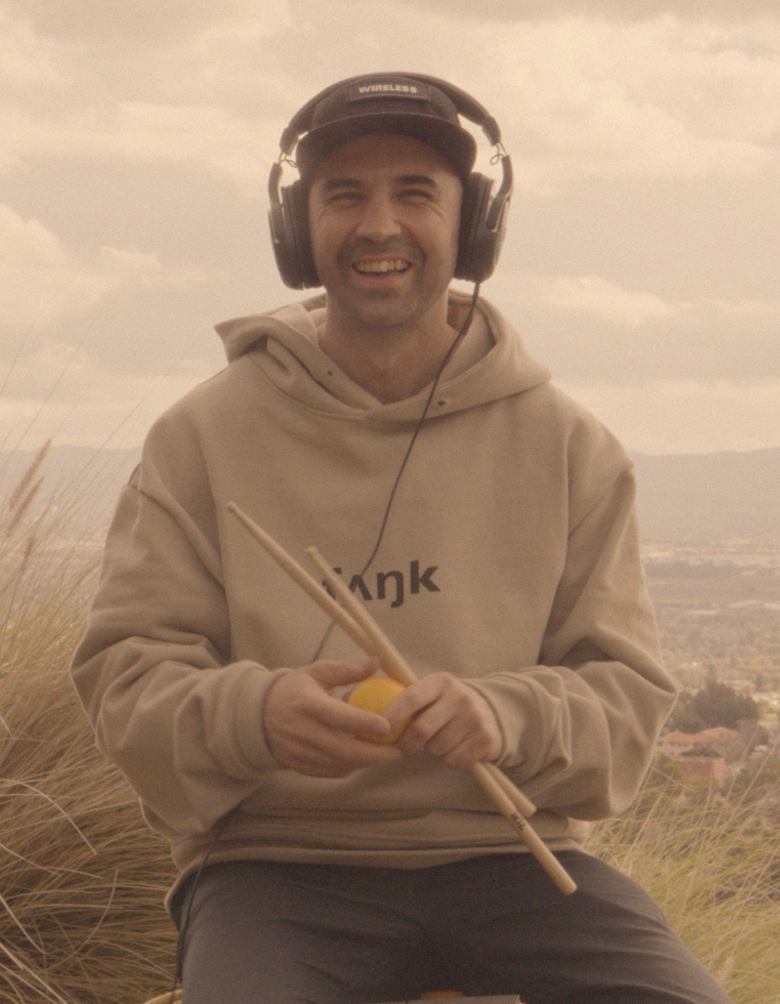
About Ikiz
Ikiz is well-known for his own projects and for being an extremely versatile drummer/percussionist. He is not only a member of Nils Landgren Funk Unit but also leads his own trio, Ikiz Cabin Crew, along with solo projects like Ikiz 4/4 and the duo Lahza with Turkish musician Cenk Erdogan. His musical journey has taken him to 55 countries, and he also manages his music and clothing company, Stockholm Jazz Records.
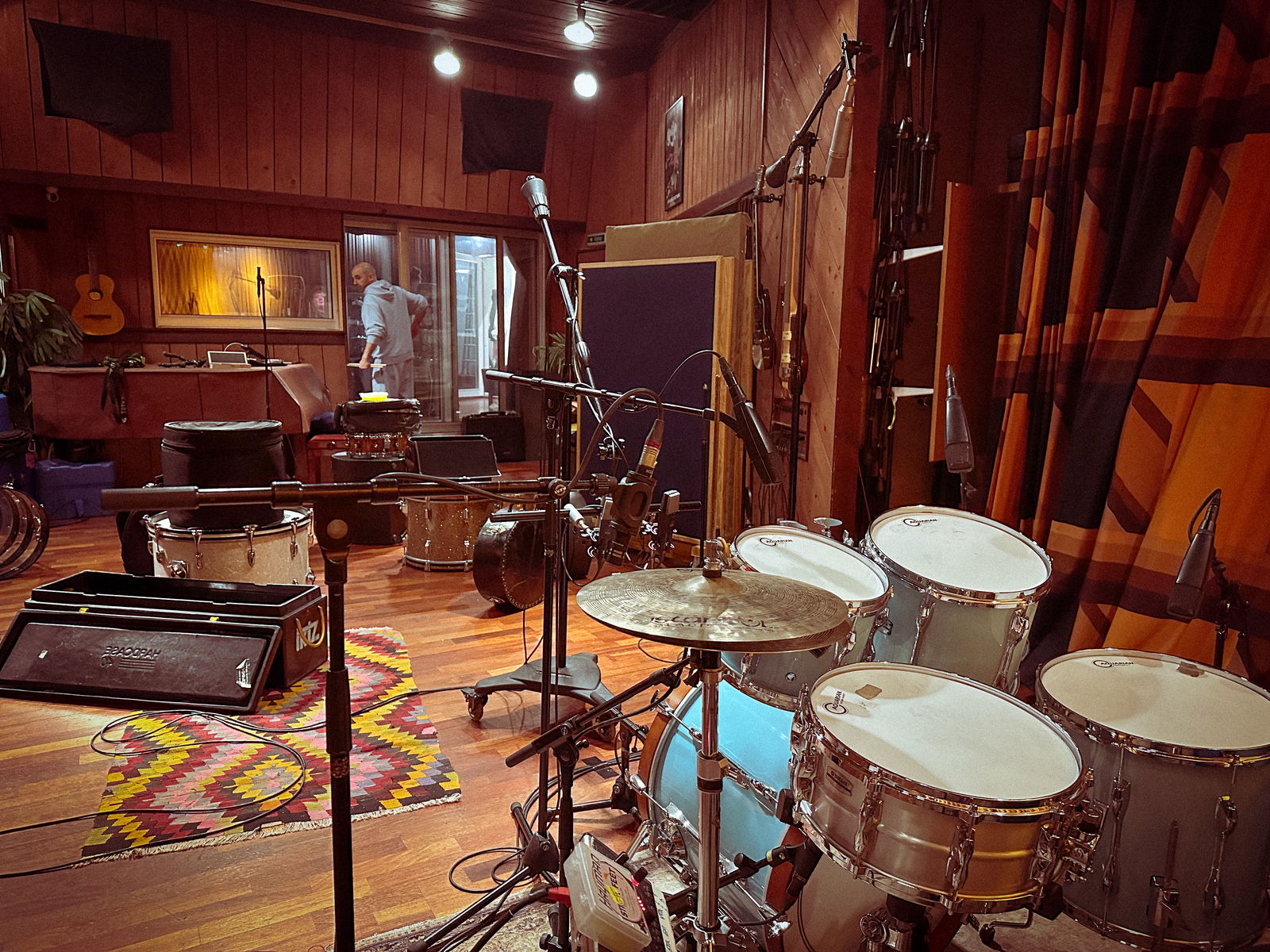
About Ingrid Studios
One of the oldest active recording studios in Stockholm, Sweden. Known for its sound and is frequently used by artists such as The Hives, Veronica Maggio, Icona pop etc. Check them out: Ingrid Studios